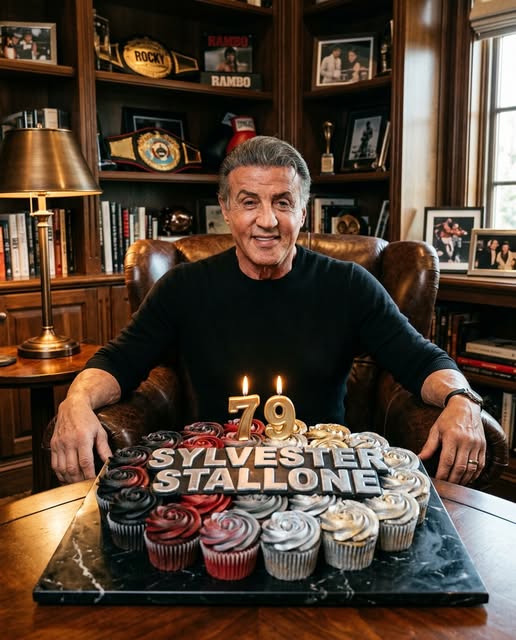
Happy 79th Birthday, Sylvester Stallone!
Today marks the celebration of one of the most influential figures in modern action cinema—a performer, writer, and director whose career has shaped the genre for nearly five decades. Stallone is not just known for playing iconic characters; he is known for creating them from the ground up, building entire cinematic worlds that have become deeply embedded in global pop culture.
His breakthrough came with Rocky, a film that didn’t just launch his career but also became a cultural symbol of resilience and determination. What makes Stallone’s journey unique is that Rocky was not only a role he played, but a story he wrote himself—reflecting his own struggles and persistence in the industry. That sense of personal investment is one reason the character resonated so strongly with audiences worldwide.
From there, Stallone expanded into another legendary franchise with Rambo, introducing a very different kind of hero—one shaped by trauma, survival, and the consequences of war. While Rocky represented endurance and heart, Rambo embodied intensity and raw physical survival. Together, these two characters alone would have been enough to secure his place in film history, but Stallone continued to evolve beyond them.
Over the years, he also helped define the modern ensemble action era with The Expendables, bringing together multiple generations of action stars into a shared universe of high-octane storytelling. This phase of his career reflected a kind of legacy-building mindset—less about reinvention and more about honoring the genre he helped shape.
What stands out most about Stallone’s career is longevity. Very few actors remain culturally relevant across so many different eras of filmmaking, from the gritty realism of the 1970s to today’s digitally driven blockbuster landscape. His ability to adapt while still maintaining his signature identity—physically demanding roles, emotional underdogs, and themes of perseverance—has kept him consistently present in global cinema.
Beyond acting, Stallone’s influence as a writer and director is equally significant. He has repeatedly demonstrated control over narrative direction, character development, and tone, often blending personal storytelling with larger-than-life action spectacle. His work frequently explores themes of aging, legacy, and what it means for a fighter to continue standing when time itself becomes the opponent.