Oil Prices Remain Elevated Despite Historic Global Reserve Release
Middle East Tensions Continue to Pressure Energy Markets Worldwide
Global — Despite the largest coordinated release of oil from strategic reserves in history, global crude prices have failed to decline as expected, highlighting the persistent impact of the Middle East conflict on energy markets. The International Energy Agency (IEA) announced a release of 400 million barrels, while the United States contributed 172 million barrels from its Strategic Petroleum Reserve.
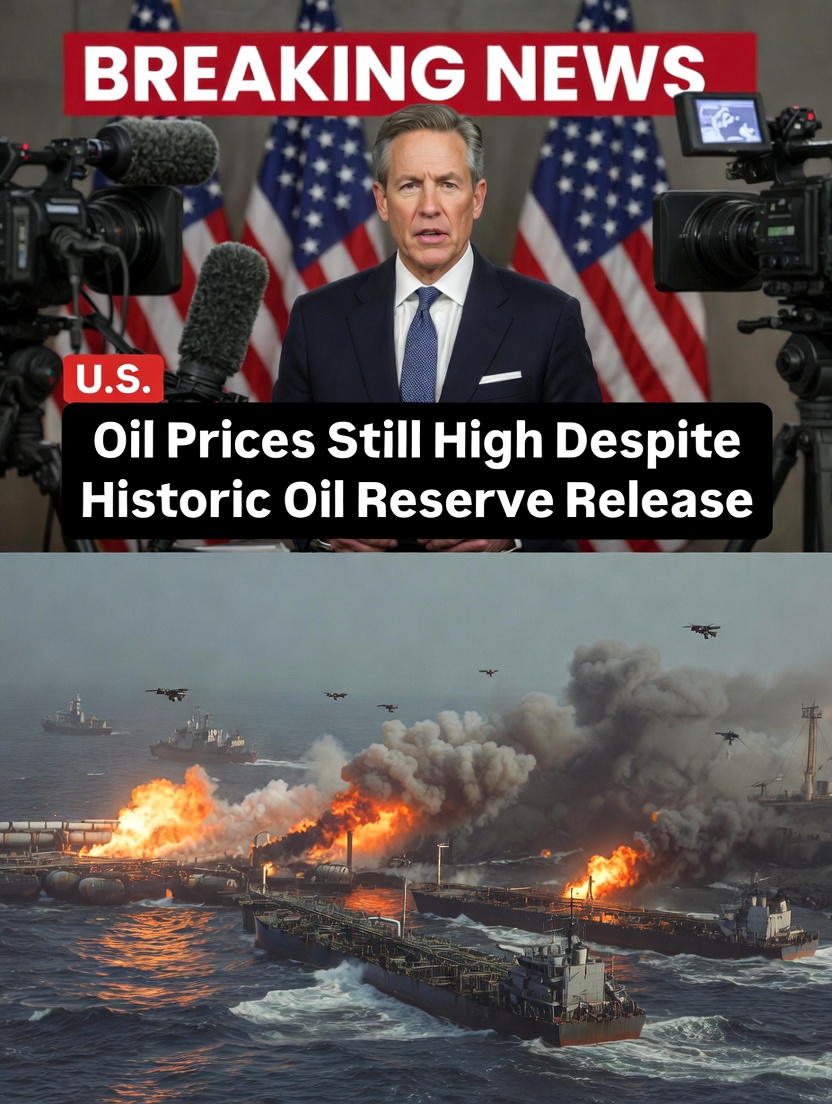
Traders report that oil prices have remained strong, and in some cases even climbed, as fears over supply disruptions—particularly at the Strait of Hormuz—continue to drive market anxiety. Analysts caution that the ongoing U.S.–Iran war, coupled with attacks on Gulf energy infrastructure and threats to shipping lanes, has created uncertainty that a release of stockpiles alone may not resolve.
“Even such a massive release is unlikely to calm markets while the conflict continues,” said energy economist Laura Chen. “Supply disruptions, potential strikes on key infrastructure, and broader geopolitical instability are keeping traders on edge, which means global fuel prices could remain elevated for months.”
The situation underscores the interconnected nature of regional security and global economic stability. While governments hope that the strategic releases will help mitigate immediate shortages, the persistent risk of further attacks on oil facilities in Bahrain, the UAE, and along vital shipping lanes keeps the energy sector on high alert.
As nations monitor both military and economic developments, experts warn that prolonged instability in the Middle East could create sustained volatility in oil markets, potentially exacerbating inflation and driving up energy costs worldwide.