U.S.–Iran Conflict Already Costs Over $11 Billion in First Six Days
Economic Fallout Mounts as Trump Signals Continued Military Operations
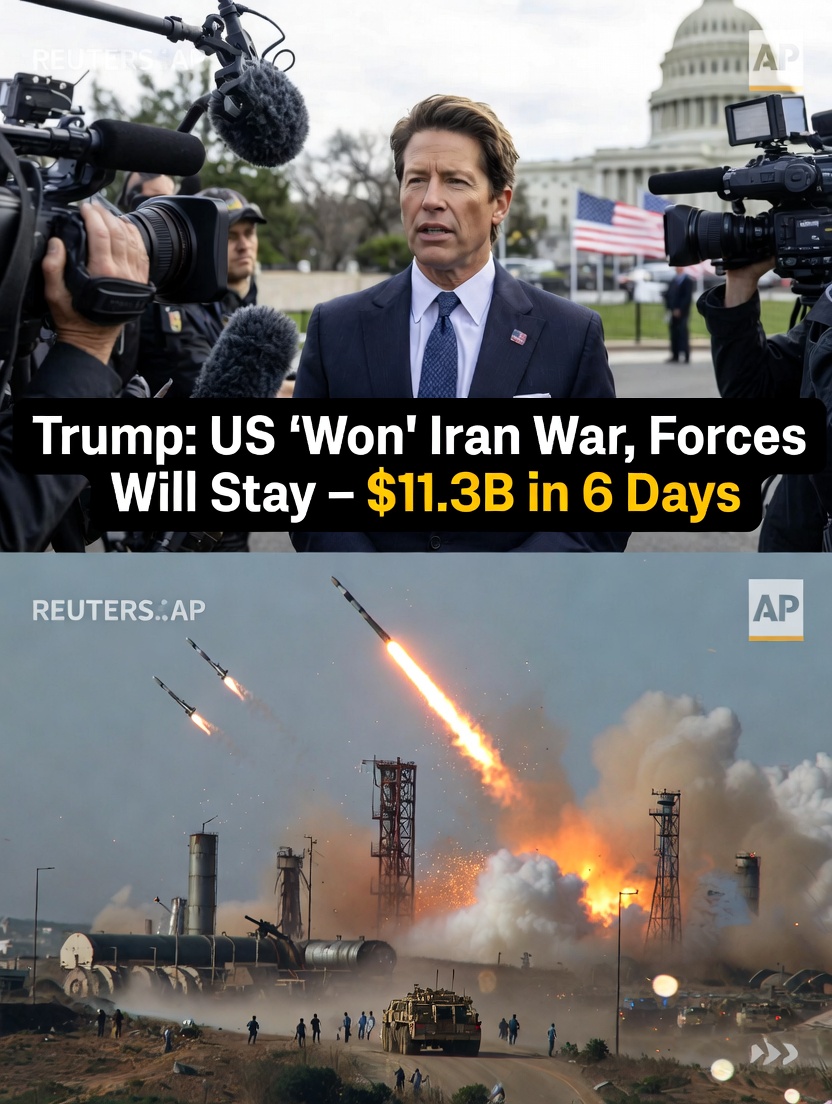
Washington, D.C. — Officials from President Donald Trump’s administration have informed U.S. lawmakers that the first six days of military operations against Iran have already cost at least $11.3 billion, according to a briefing presented to senators. The estimate excludes all potential war-related expenses, meaning the total cost could rise sharply as the conflict continues.
Despite the mounting financial toll, President Trump has publicly declared that the U.S. has “won” the initial stages of the conflict. In the same statements, he emphasized that American forces will remain in place to “finish the job,” signaling that the campaign may continue even as officials grapple with its rapidly accumulating costs.
Economic analysts warn that the early expenses highlight the broader fiscal impact of prolonged military engagement. Beyond immediate military spending, the ongoing conflict threatens to disrupt global oil markets, particularly given the strategic importance of the Strait of Hormuz and escalating attacks on shipping lanes in the region.
Lawmakers in Washington are now facing mounting pressure to balance military objectives with economic realities. Questions are emerging over the long-term implications for the U.S. budget, including potential strain on domestic programs, increased borrowing, and heightened market volatility.
The conflict has also raised concerns among international energy markets, with oil prices already showing signs of upward pressure amid fears of supply disruptions. Experts caution that continued escalation could amplify global economic consequences, highlighting the intertwined nature of military action, fiscal cost, and international trade.
As the U.S. military maintains operations in the Middle East, both economic and political observers are closely watching the situation, warning that the true cost—financial, strategic, and human—may be far higher than current estimates suggest.