US-Israel War With Iran | CENTCOM: Iran Can’t Hide Missile Launchers from US Forces | Breaking News
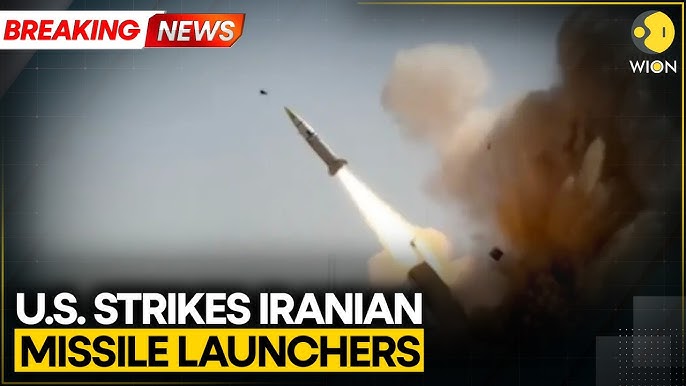
The escalating conflict involving United States, Israel, and Iran has entered a new phase as the United States Central Command (CENTCOM) declared that Iranian missile launch systems can no longer remain hidden from U.S. surveillance and strike capabilities.
Hunt for Iran’s Missile Launchers
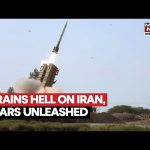
CENTCOM recently released footage showing Iranian ballistic-missile launchers being detected and destroyed, even when hidden under bridges, inside tunnels, or camouflaged in wooded areas. The U.S. military said its intelligence, surveillance, and reconnaissance network allows it to track these mobile systems and strike them quickly.
In a statement accompanying the footage, CENTCOM warned:
“The Iranian regime can try to hide their missile launchers, but U.S. forces won’t stop looking. When we find them, we’re taking them out.”
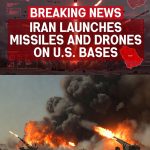
The strikes are part of a broader campaign aimed at crippling Iran’s missile capabilities, which Washington says have been used to launch attacks against U.S. bases and allies across the Middle East.
Operation Epic Fury Intensifies
The operation—often referred to as Operation Epic Fury—has involved stealth bombers, fighter jets, naval missile strikes, and drones targeting missile launch sites, storage facilities, and command centers deep inside Iranian territory.
According to military updates, the goal is to destroy Iran’s ability to launch ballistic missiles and drones before they can be used against regional targets. U.S. officials say the campaign has already significantly reduced Iran’s missile launch capacity, with some reports suggesting attacks have dropped sharply since the strikes began.
Civilians Warned Near Military Sites
As strikes continue, CENTCOM has also issued warnings to civilians inside Iran to stay away from locations being used for military operations. U.S. officials say Iran has been launching missiles from densely populated areas, which could make those locations potential targets in ongoing operations.
A High-Tech Battlefield
Modern surveillance technology—including satellites, drones, electronic intelligence, and real-time battlefield data—has become central to the campaign. Analysts say these tools allow the U.S. and Israel to locate mobile missile launchers that traditionally would have been difficult to track.
However, the war remains highly volatile. Iranian missile attacks have continued, and the broader confrontation has spread across multiple countries and strategic waterways, including the Strait of Hormuz, a key route for global oil shipments.