Iran Appoints Mojtaba Khamenei as New Supreme Leader Following Strikes
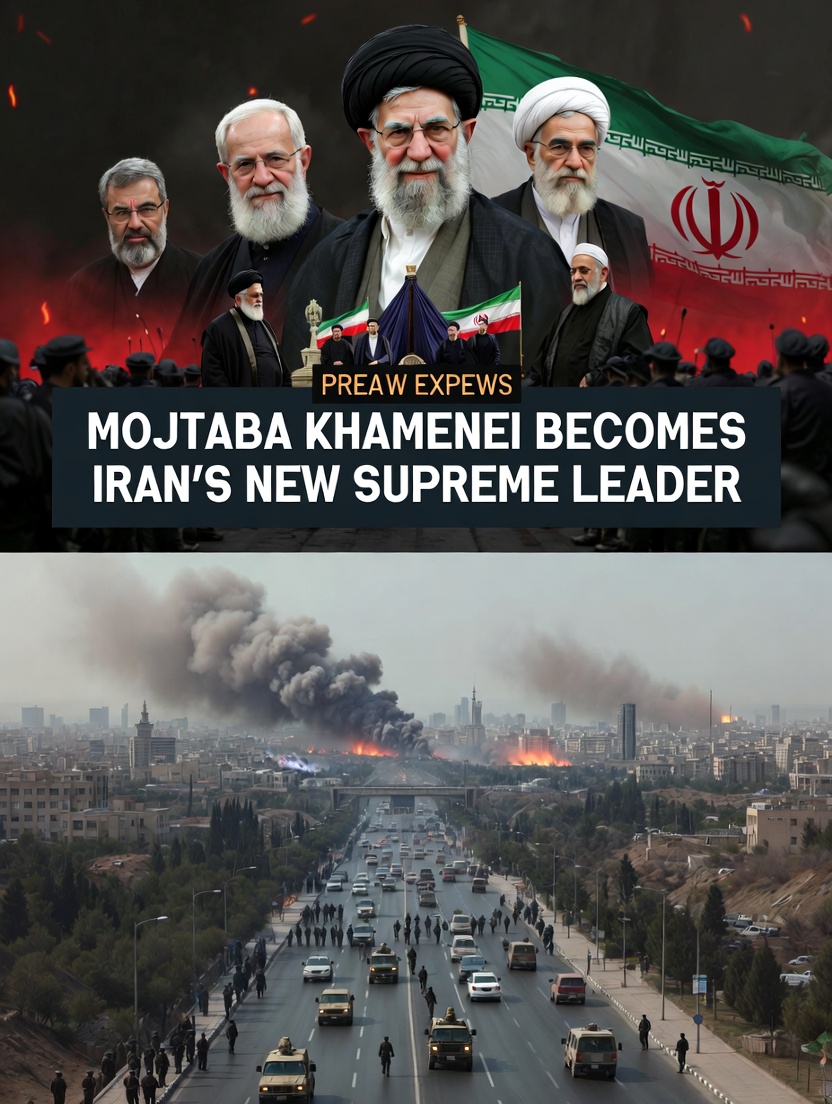
In a major political development amid the ongoing Middle East conflict, Iran has appointed Mojtaba Khamenei as its new Supreme Leader, following the reported killing of his father, Ayatollah Ali Khamenei, in U.S.–Israeli strikes that began on February 28, according to state-run media reports released early Monday.
Selection by Assembly of Experts
Mojtaba’s appointment was confirmed by Iran’s Assembly of Experts, an 88-member body of senior clerics responsible for selecting the country’s highest political and religious authority. The assembly convened following the unprecedented loss of the previous Supreme Leader, a move that comes at a time of heightened military tensions across the region.
Profile of Mojtaba Khamenei
Mojtaba Khamenei, considered a mid-ranking cleric, has longstanding connections with the powerful Islamic Revolutionary Guard Corps (IRGC), which plays a central role in Iran’s military and political strategy. Analysts note that Mojtaba has been viewed for years as a potential successor to his father, with support from influential elements within Iran’s ruling establishment.
Observers suggest that his appointment could signal continuity in Iran’s hardline policies, particularly in military strategy and relations with the United States and Israel, as the country continues to respond to airstrikes and retaliatory operations.
Implications for the Conflict
The appointment comes amid escalating U.S.–Israel military operations, which have targeted Iranian military installations, oil facilities, and strategic infrastructure, resulting in thousands of casualties. Iran has responded with missile and drone attacks on regional targets, including U.S. and Israeli positions in the Gulf.
Political analysts warn that Mojtaba’s rise to the top leadership position could further intensify Iran’s response to foreign strikes, especially given his close ties to the IRGC and alignment with conservative elements of the government.
The naming of a new Supreme Leader also raises questions about potential shifts in Iran’s domestic governance and its foreign policy strategy as the conflict continues to unfold across multiple fronts in the Middle East.
This marks the first time in decades that Iran has named a successor under such extraordinary wartime conditions, highlighting both the instability and high stakes of the current regional crisis.