Massive Israel–U.S. Strikes Hit Iran as Regional Conflict Expands Into Lebanon
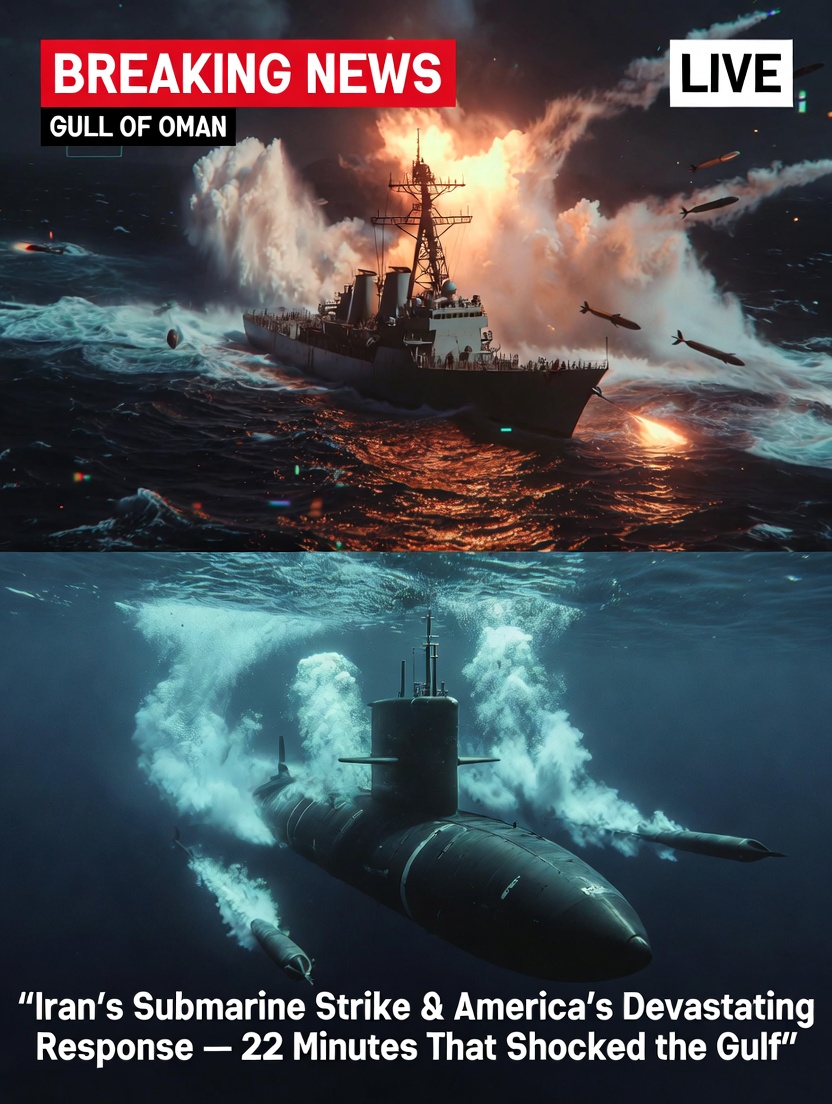
The conflict involving Israel, Iran, and the United States has escalated dramatically following a large wave of coordinated military strikes that targeted thousands of sites across Iran. The attacks, which included heavy bombardment of the capital Tehran, have intensified fears of a wider regional war as the violence spreads beyond Iran’s borders into Lebanon.
Reports from Iranian sources and regional observers indicate that the strikes have already caused significant casualties and widespread destruction, with more than 1,230 people reported killed in Iran during the ongoing attacks. Many more have been injured as explosions and fires were reported across multiple locations.
Major Attacks Strike Tehran
One of the most dramatic incidents occurred at Mehrabad International Airport, a key aviation hub in Tehran. According to reports and widely circulated videos, parts of the airport were engulfed in flames following the strikes.
Witness footage shows aircraft burning on the ground while thick columns of smoke rise above the airport complex. Emergency crews were seen attempting to contain fires and secure the area as authorities began assessing the scale of the damage.
The airport plays a vital role in Iran’s domestic transportation system and is considered one of the busiest aviation centers in the country. Any significant damage to its facilities could disrupt flights across Iran and affect thousands of passengers traveling between cities.
Beyond civilian aviation, analysts say the airport has strategic importance because certain government and aviation units are believed to operate from the site, potentially making it a target during military operations.
Civilians Shelter as Fear Spreads
The strikes have created an atmosphere of fear and uncertainty throughout Tehran and other major cities. Residents have reportedly remained inside their homes for extended periods as explosions echoed across urban areas.
Adding to the anxiety, large-scale internet disruptions and blackouts have been reported in parts of Iran, limiting communication and making it difficult for people to access information or contact relatives.
Local witnesses described chaotic scenes as emergency vehicles rushed through the city while families attempted to stay indoors and avoid areas near potential military targets.
Fighting Expands to Lebanon
While Iran remains the primary focus of the conflict, fighting has also intensified in neighboring Lebanon. Israeli forces have continued airstrikes in the capital Beirut and surrounding areas, targeting positions linked to the Iran-backed militant organization Hezbollah.
According to reports from regional authorities, these strikes have killed more than 200 people and injured nearly 800 others in Lebanon. Hospitals in affected areas have struggled to cope with the sudden influx of wounded civilians.
The violence has triggered a large humanitarian crisis as hundreds of thousands of civilians have been forced to flee their homes in search of safer locations.
Aid groups say many families have been displaced with little warning, leaving behind homes and possessions as the fighting spread across urban neighborhoods and nearby towns.
UN Peacekeepers Injured
The conflict has also affected international forces stationed in Lebanon. Two soldiers serving with the United Nations Interim Force in Lebanon peacekeeping mission were reported to be critically injured during the fighting.
The mission, often referred to as UNIFIL, operates in southern Lebanon with the goal of maintaining stability and preventing clashes between Israeli forces and armed groups operating in the region.
The injuries highlight the growing danger facing international personnel as hostilities intensify.
Growing Fears of a Regional War
Security analysts warn that the expanding conflict could draw in additional actors and transform into a much broader war across the Middle East. Iran maintains strong ties with several regional groups, while Israel continues to conduct operations aimed at weakening those networks.
The involvement of the United States through military support and strategic coordination with Israel further increases the geopolitical stakes.
Diplomatic efforts by international organizations and global powers are reportedly underway to prevent further escalation, but progress remains uncertain as military operations continue.
A Volatile Situation
With thousands of targets reportedly struck in Iran and ongoing attacks in Lebanon, the situation remains highly volatile. The heavy casualties, mass displacement of civilians, and damage to major infrastructure underline the severity of the crisis.
Observers warn that if the cycle of attacks and retaliation continues, the conflict could expand even further, affecting multiple countries and threatening stability throughout the region.
For millions of civilians caught in the middle, the immediate concern remains survival as airstrikes, explosions, and uncertainty dominate daily life across parts of the Middle East.