Top 10 Most Dangerous Weapons in Iran
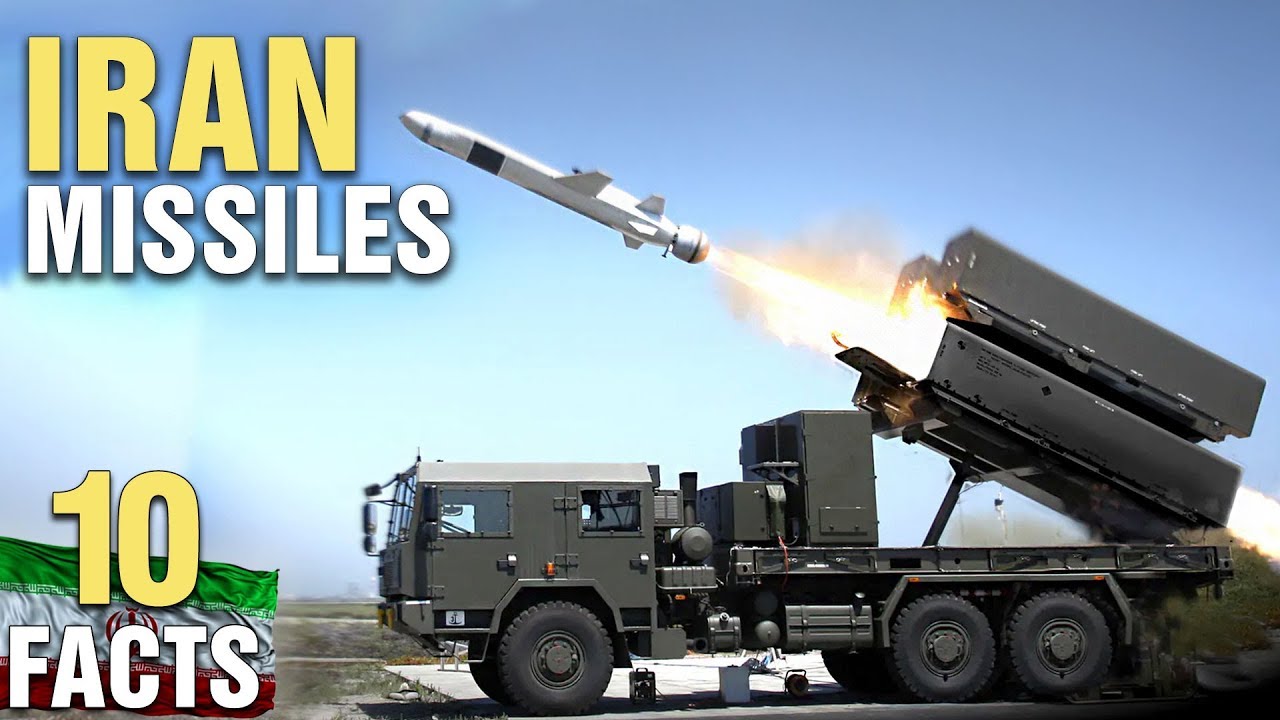
1. Medium & Long-Range Ballistic Missiles (MRBMs/IRBMs)
Iran’s ballistic missile force is widely considered its most potent conventional strike capability. These can reach deep into the Middle East and beyond.
Sejjil missile – Solid-fuel medium-range ballistic missile with ranges reportedly up to ~2,000–2,500 km, making it one of Tehran’s most feared strategic weapons.
Ghadr-110 – Improved Shahab-3 derivative, liquid/solid hybrid missile with long range (~1,800–2,000 km).
Fattah-1 missile – Iranian claimed hypersonic MRBM capable of maneuvering at extreme speed — very hard to intercept.
Shahab-3 ballistic missile – Historic backbone of Iran’s MRBM force, with ranges that can reach much of the Middle East.
2. Short-Range & Tactical Ballistic Missiles
These missiles are shorter range but still deadly, especially against military bases or infrastructure.
Fateh-110 missile – A mobile short-range ballistic missile with ~300 km range and up to 500 kg warheads; widely exported and used by proxies.
3. Unmanned Aerial Systems (Drones)
Iran has become a major drone producer — both for itself and proxy forces.
Qods Mohajer 10 – Long-range attack and surveillance drone with ~2,000 km range, able to carry significant payloads.
Iranian Shahed-series drones (e.g., Shahed-136 loitering munitions) are lethally effective in swarm attack roles and difficult to shoot down, and have been used widely by proxies and in regional conflict zones.
4. Cruise & Anti-Ship Missiles
While typically shorter range than ballistic missiles, these weapons threaten naval vessels and land targets, especially around the Persian Gulf.
**“Paveh” / other Iranian cruise missiles and anti-ship systems can reach over 1,000 km, complicating maritime security and naval operations.
5. Air Defense Systems
Defensive systems are deadly to aircraft and incoming threats — especially when integrated with Russia’s legacy equipment.
Bavar-373 air defense system is Iran’s domestically developed answer to advanced systems like the Russian S-300, able to target aircraft, missiles, and drones.
6. Naval Threats
Iran’s naval capabilities include stealthy small submarines and missile systems intended to threaten sea lines of communication.
Ghadir-class submarines are small but hard to detect and capable of attacking naval vessels with torpedoes or missiles.
Khalij Fars anti-ship ballistic missiles are designed to strike enemy warships at long ranges in the Gulf.
7. Chemical/Biological Unconventional Warheads (Alleged Development)
There are reports that Iran has explored unconventional (chemical/biological) warheads for missiles — a development that would dramatically raise the potential lethality of existing delivery systems if ever realized.
8. Nuclear-Related Program & Enrichment Capability
Although Iran has not publicly tested or declared a nuclear weapon, its stockpile of enriched uranium near weapons-grade levels remains a serious proliferation concern. If weaponized, this would change Iran’s threat profile fundamentally.
9. Proxy Arsenal Multipliers
Iran supplies weapons to allied militias (Hezbollah, Houthis, Iraqi militias) — including thousands of rockets, missiles, and drones — effectively multiplying Iran’s reach and lethality through proxy forces.
10. Asymmetric & Swarm Capabilities
Mass launch of low-cost drones and missiles (hundreds at a time) can overwhelm defenses and cause strategic effects disproportionate to cost — a hallmark of Iran’s modern approach.
Summary:
Iran’s most dangerous weapons aren’t just individual systems — they are the combination of long-range ballistic missiles, advanced drones, cruise/anti-ship missiles, integrated air defenses, proxies’ arsenals, and potential nuclear capabilities. These give Tehran strategic reach far beyond its borders, posing serious challenges to regional and global security.