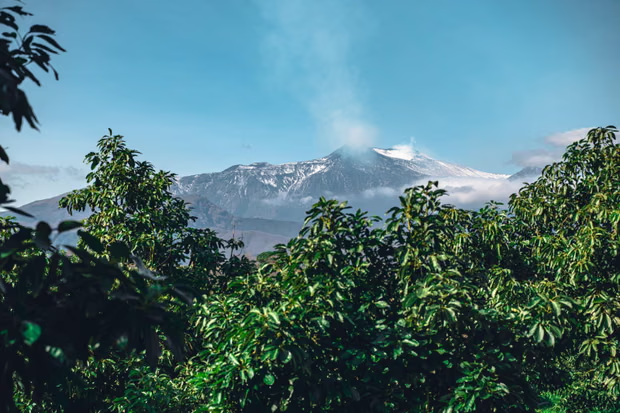
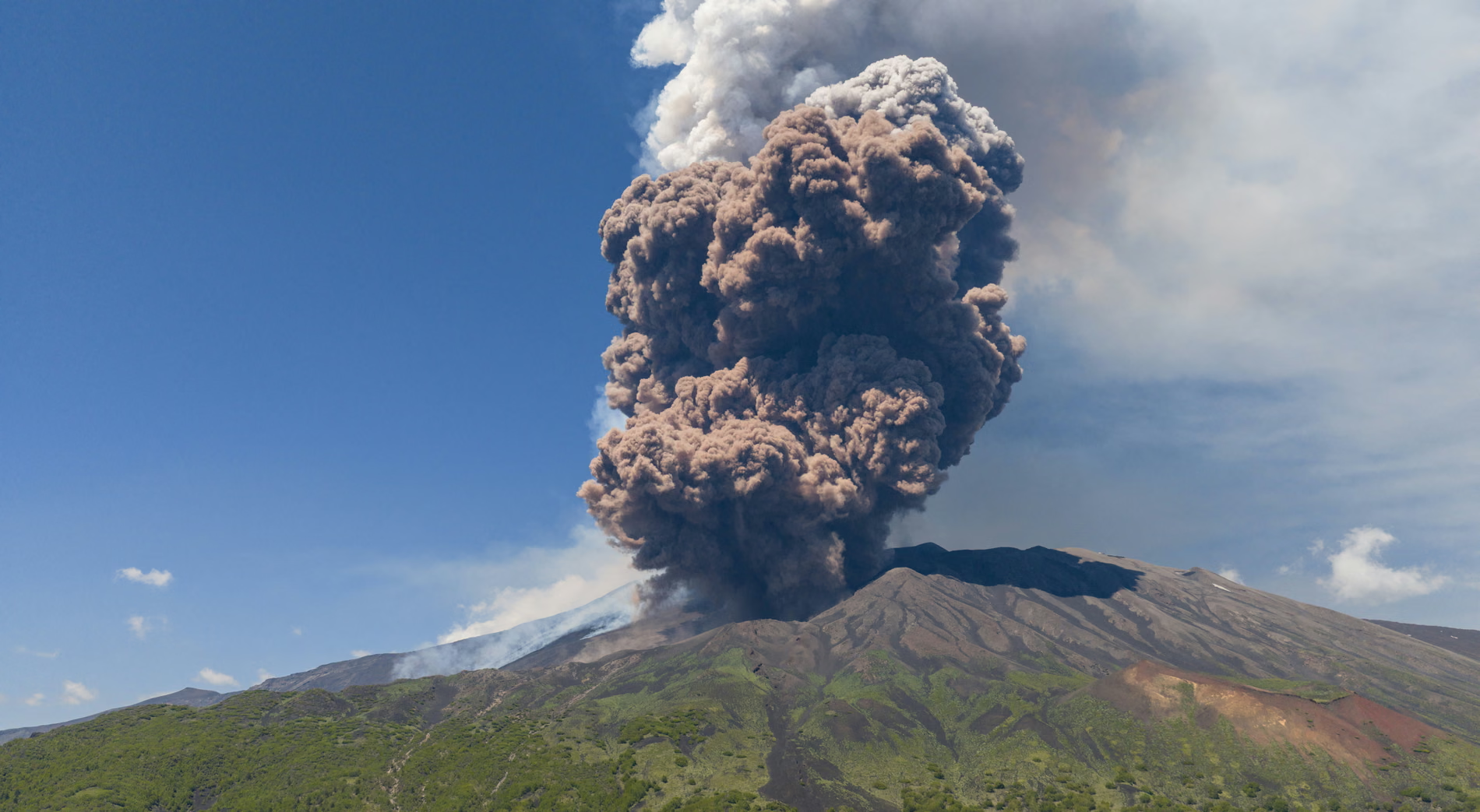
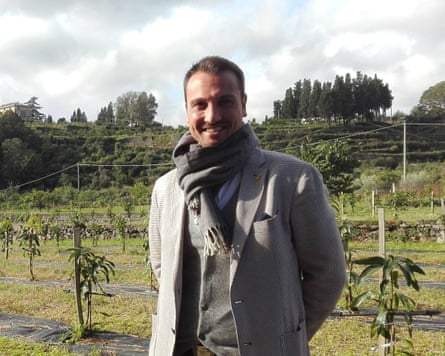
In the Sicilian town of Giarre overlooking Mount Etna, Andrea Passanisi, a tropical and citrus fruits producer, uses an unusual fertiliser on his 100-hectare (247-acre) stretch of land: volcano ash.
Like hundreds of farmers and citizens of rural towns perched on the slopes of Europe’s highest and most active volcano, the 41-year-old’s family has had to deal with the nuisance of falling volcanic ash for generations. But it is only in recent years that the quantity of ash has become so excessive that it required an alternative approach.
With every eruption, towns such as Giarre experience an average of 12,000 tonnes of ashfall daily, which the wind can transport as far as 800km (497 miles). In July 2024, Catania – Sicily’s second-largest city, located at the foot of Mount Etna – registered 17,000 tonnes of ash daily, which took nearly 10 weeks to collect.
For years, farmers such as Passanisi were led to believe the phenomenon was a danger to crops, polluting irrigation waters and requiring special equipment and days off work to clean up.
But a five-year project by the University of Catania raised awareness of the potential for ash to become a resource in the production cycle of many different sectors, including agriculture. “It allows us to use fewer chemicals, which makes fertilising cheaper and more sustainable, respecting the equilibrium of nature without abusing it,” Passanisi says. “It’s the future of agriculture.”
Paolo Roccaro, an environmental engineering professor and the lead researcher of this first interdisciplinary effort to solve the ash waste allocation, says: “When the explosive phenomena with heavy release of ashes began to intensify after 2011, it led to a need to find a systemic solution to manage it.”
The study defined the chemical characteristics of Etna’s ash in order to propose its potential in different fields, from material for road construction and wall insulation to water purification and ink for 3D printers.
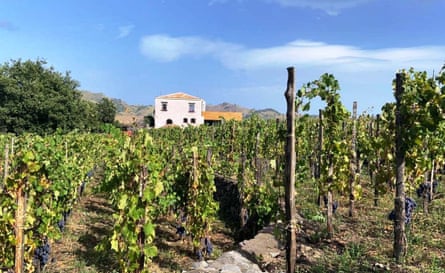
So far, its informal use is working particularly well for farmers such as Passanisi, and Emilio Sciacca, a vineyard owner in Linguaglossa, a town 38km from the volcano.
“Etna’s ash represents an added value for volcanic soils, a gift for us producers that literally falls from the sky,” Sciacca says. Instead of collecting it, Sciacca leaves the ashfall on the land as he has found it helps drain excess water from the soil and provides added fertilisation thanks to its composition of iron, aluminium and silica.
Sciacca adds: “In this unique geological context, we can never ignore the volcanic nature of the soil and its magnificent nuances, we have to learn to embrace them and let them become our strength.”
There are still barriers to making this solution suitable for official commercial use. Roccaro says European environmental legislation requires that all waste from urban areas, including volcanic ash, be managed as municipal waste. As soon as it is collected by cleaning workers and private citizens, the ash must receive the European waste code required for its identification – in this case the EWC 20 03 03 for street-cleaning residues. The legislation classifies this type of waste as unsorted, meaning it cannot be recovered or recycled.
Roccaro says: “It is intended for special disposal at authorised landfills, which entails significant costs for municipalities and therefore for the community. We’re talking about €300 [£261] per tonne to dispose of it, while our research found that recycling it for commercial use will drop that to €30.” In 2021, dozens of Sicilian towns around the volcano faced bankruptcy over cleaning costs. The ash recycling project led to the 2024 publication of regional guidelines for those who want to reuse volcanic ash.
“But more than a year since then, there’s still no list of companies registered to collect and refine ashes to reallocate them for production purposes. For now, the goal is to instil the idea that this alternative approach can work, to make its systemic reuse more palatable in the near future,” Roccaro adds.
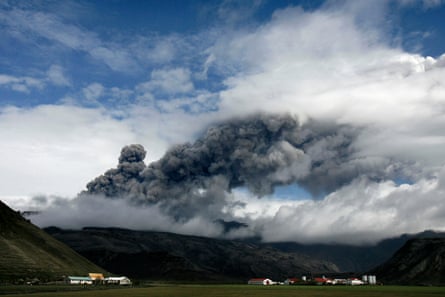
On the other side of Europe, the benefits of ash have been discovered by another group of farmers. When the last big eruption of Iceland’s Eyjafjallajökull in 2010 caused international disruptions, farmers scrambled to protect their livestock.
Most of Iceland’s farming activity relies on herding cattle, horses and sheep, which can die of fluoride poisoning after inadvertently inhaling or ingesting fallen ash. But wheat farmers such as Thórarinn Ólafsson, working in the foothills of Eyjafjöll, realised that in the long term, volcanic ash improves the quality of crops.
“Usually, wheat crops begin to worsen in their third year, but the ones left untouched [during] ash removal look like a first-year field. This upgrade was definitely connected to the Eyjafjallajökull volcanic ash, so I began to use it as a natural fertiliser,” Ólafsson says.
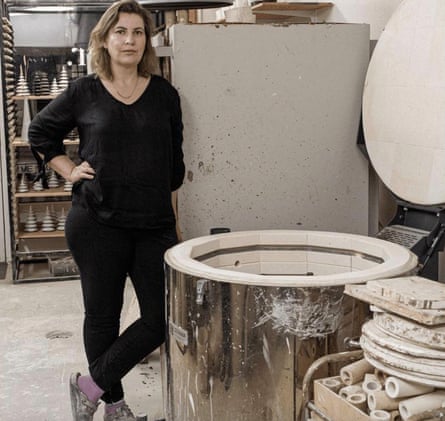
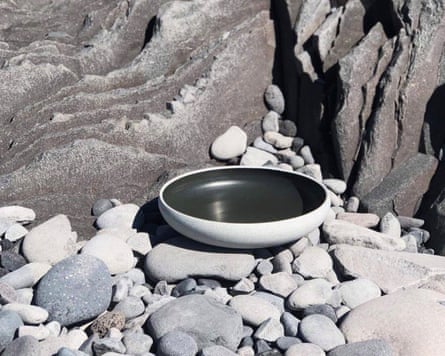
Others have begun to find more creative ways to reuse the ash. The Icelandic ceramist Guðbjörg Káradóttir includes volcanic ashes from the island’s southern peninsula in her porcelain creations. “It sure is an interesting upcycling effort, but it’s also a proud symbol of our origins, an element of our cultural heritage that we can try to include in our products instead of letting the wind blow it away,” Káradóttir says.
Back in Sicily, as people wait for commercialised ash reuse to officially begin, it remains up to ordinary people, such as Nilla Zaira D’Urso, a 42-year-old art curator, to turn huge bags of ash into a resource.
In 2013, encouraged by a Japanese artist who visited her art residency in Riposto, one of the towns most affected by Etna’s ashfall, D’Urso began turning the ash into small souvenirs. “We need to make the best of any scrap material instead of seeing everything as a burden,” D’Urso says. “It’s true it can be an insidious guest, but it’s better to make the coexistence work, to turn ash into an ally rather than fighting it.”