JACKIE CHAN: THE MASTER OF ACTION
- BichDuong
- April 3, 2026
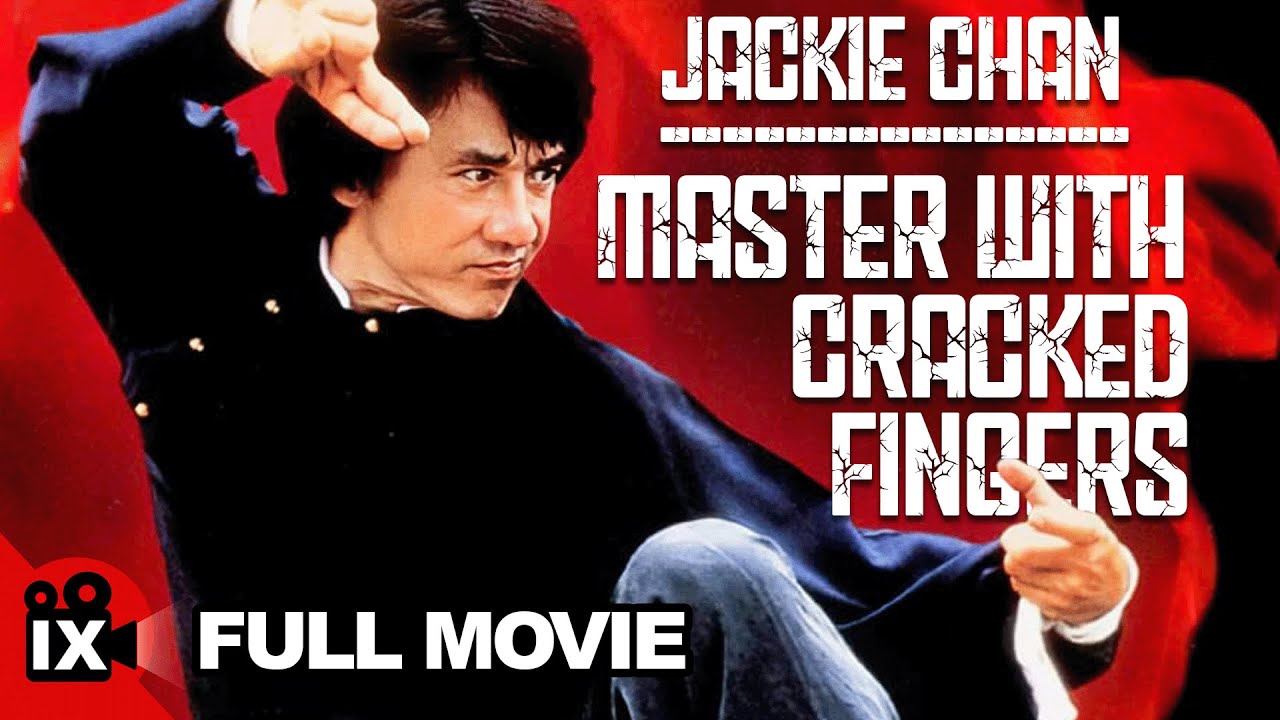
Jackie Chan: The Master of Action
Jackie Chan is one of the most influential and beloved action stars in cinema history, known for redefining martial arts films by blending intense fight choreography with comedy, creativity, and real-life stunt work.
Born in Hong Kong in 1954, Jackie Chan trained at the Peking Opera School, where he mastered martial arts, acrobatics, and stage performance. This unique training became the foundation of his signature cinematic style—fast, inventive, and physically daring.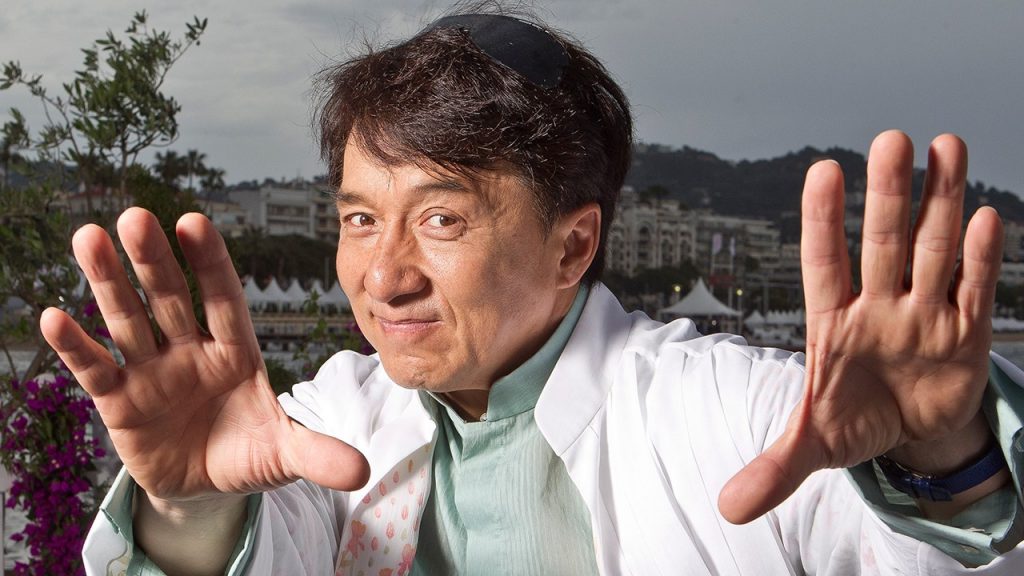
What Makes Jackie Chan Legendary
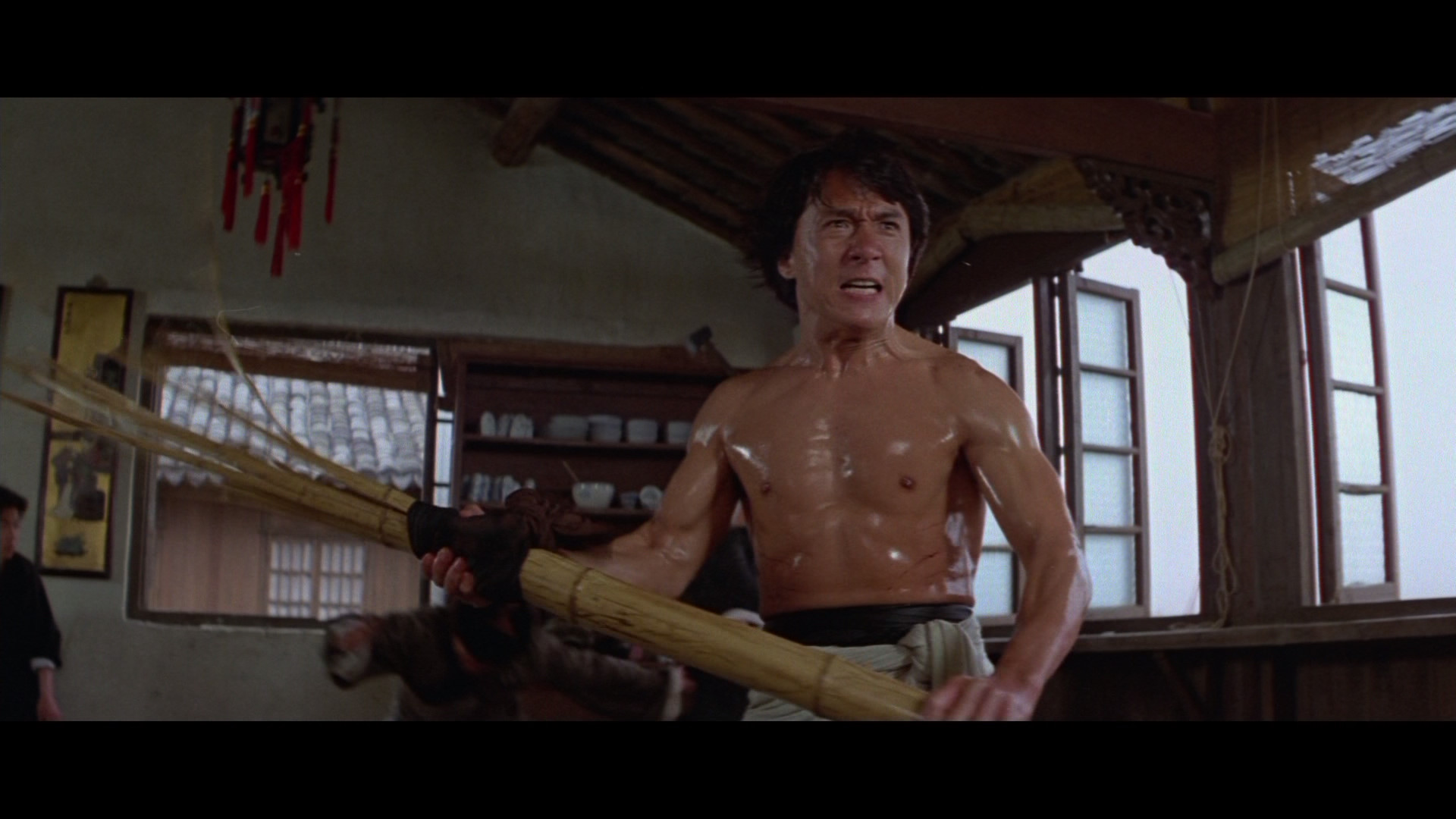
Jackie Chan’s biggest contribution to cinema is his ability to turn action into storytelling. Instead of relying only on power or seriousness, he uses:
- Environmental objects (chairs, ladders, tools) in fights
- Acrobatics and timing-based choreography
- Physical comedy during intense action scenes
- Real, dangerous stunts performed by himself
He is famous for refusing stunt doubles in many of his most dangerous scenes, often sustaining injuries throughout his career.
Iconic Films
- Drunken Master (1978) – The film that defined his comedic martial arts style
- Police Story series – Famous for extreme stunts and creative action
- Project A (1983) – A mix of naval adventure and slapstick action
- Armour of God series – High-risk stunts and adventure storytelling
- Rush Hour trilogy – Brought him global Hollywood fame alongside Chris Tucker
- Who Am I? (1998) – Known for rooftop stunts and amnesia storyline
Hollywood Impact
Jackie Chan successfully bridged Eastern and Western cinema, becoming a global superstar. His Hollywood breakthrough proved that martial arts films could be both thrilling and universally entertaining.
Legacy
Jackie Chan changed action cinema forever. He proved that fights could be:
- Fun instead of just violent
- Creative instead of repetitive
- Emotional and comedic at the same time
His influence can be seen in modern action choreography across Hollywood and Asia.
Jackie Chan didn’t just fight on screen—he turned action into performance art.