WORLD WAR Z II (2026)
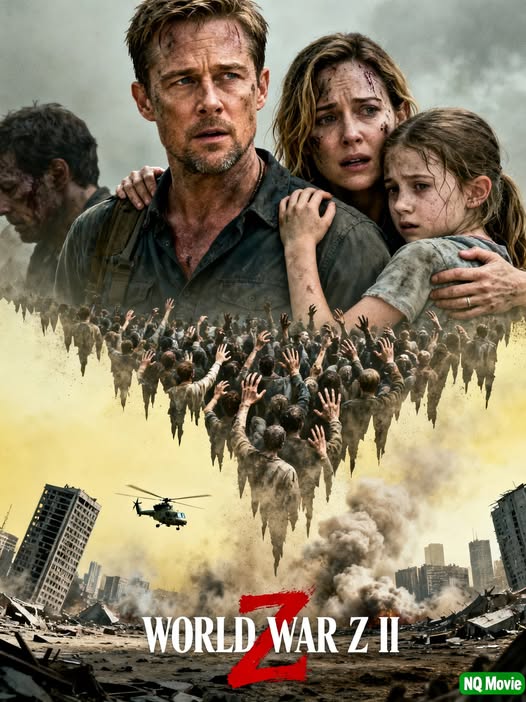
World War Z II (2026) is one of the most talked-about “non-existent sequels” in modern movie culture. Despite countless trailers, posters, and “leaks” online, there is currently no officially released or confirmed film for 2026. What exists is a mix of canceled plans, revived rumors, and fan-driven imagination.
The sequel to World War Z was originally planned shortly after the first film became a global success, earning over $500 million worldwide. The project even had major talent attached, including Brad Pitt returning and David Fincher set to direct. However, despite years of development, the film was ultimately canceled in 2019 due to budget concerns and production complications.
In recent years, rumors have resurfaced suggesting that the sequel might be revived. Some reports indicate that the project has been discussed again internally at Paramount, giving fans hope that it could return in some form. However, these developments remain uncertain, and no confirmed production timeline or release date—especially not 2026—has been officially announced.
The “2026 version” circulating online is largely built from fan concepts. These versions typically imagine a darker, more intense continuation of the story, with humanity no longer just surviving the zombie outbreak but actively fighting back on a global scale. Many concepts expand the scope into full-scale war, showing organized military resistance, evolving infected, and a deeper exploration of how societies rebuild after collapse.
One of the most interesting aspects of the canceled sequel is its original direction. According to interviews, David Fincher’s version would have taken a more grounded and psychological approach, focusing less on spectacle and more on the nature of the outbreak itself—reportedly with themes similar to modern post-apocalyptic dramas. This suggests that World War Z II could have been very different from the fast-paced action style of the first film.
The continued popularity of fake trailers and “leaks” shows how strong the demand still is. Many of these videos are highly convincing, using AI editing, reused footage, and cinematic voiceovers to create the illusion of a real movie. This has led to widespread confusion, with many viewers believing the sequel is already in production or even completed.