IRGC Claims Strike on Kuwaiti Air Base as Regional Tensions Escalate
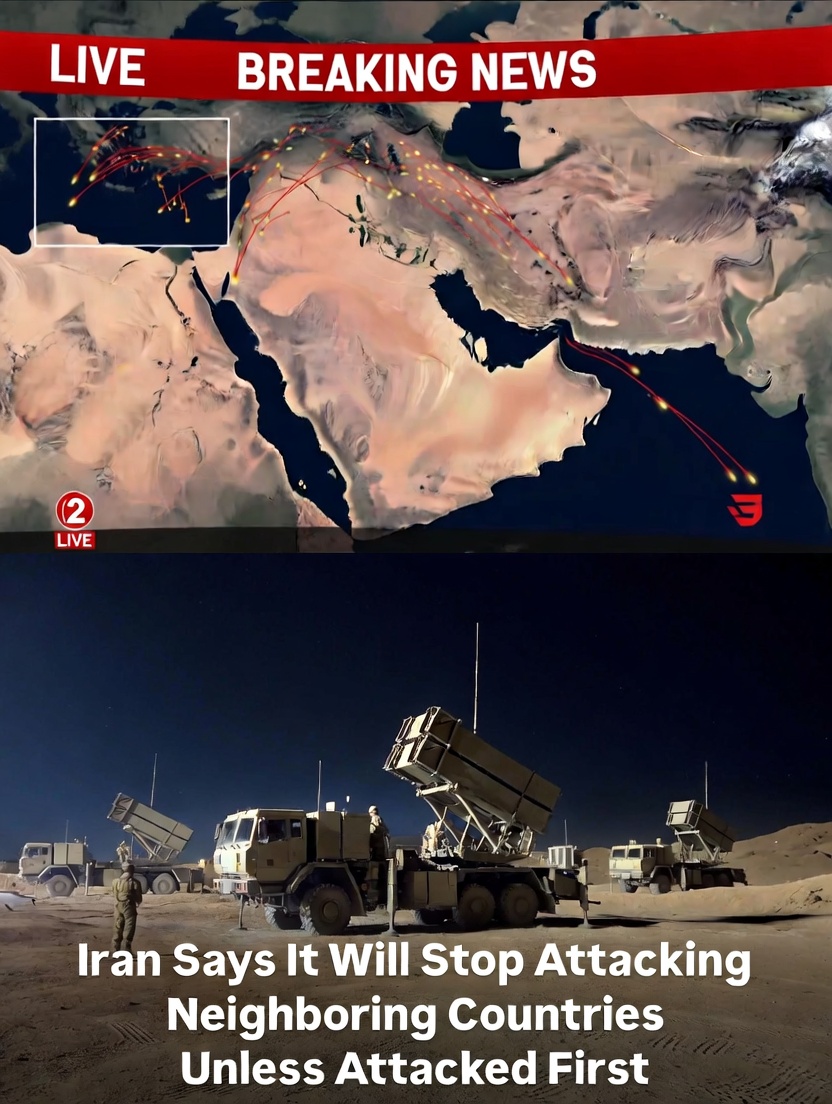
Iran’s powerful military force, the Islamic Revolutionary Guard Corps (IRGC), announced on March 8 that it had launched a series of drone and missile strikes targeting an air base in Kuwait, marking another dramatic escalation in the widening Middle East conflict.
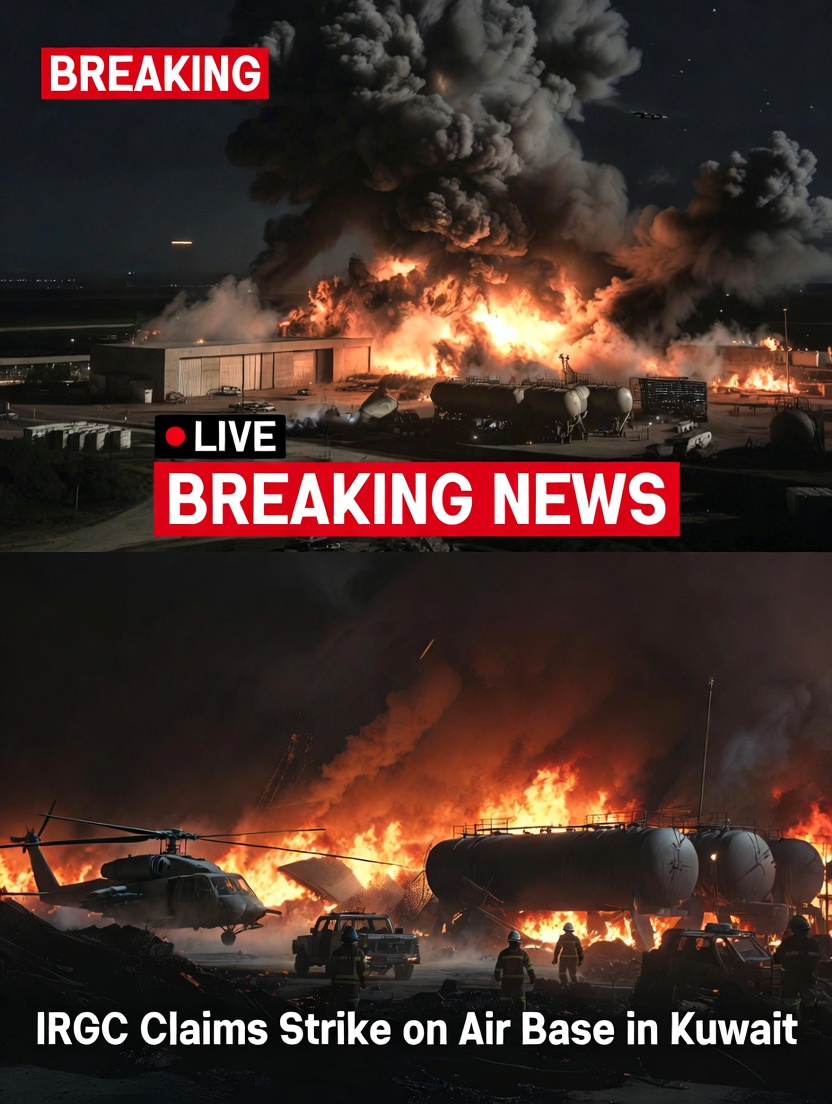
According to reports carried by Fars News Agency, the attack focused on the Al-Adiri Air Base, a facility believed to host military operations connected to the United States and its regional partners.
IRGC Claims Major Damage to Base Facilities
In its statement, the IRGC claimed the strikes successfully hit several critical areas inside the base. The group said the operation destroyed U.S. helicopter maintenance centers, fuel storage tanks, and a command and control facility located within the compound.
Iranian media also reported that a large fire erupted shortly after the attack, sending thick black smoke rising high above the installation. Witnesses in surrounding areas reportedly saw the smoke from several kilometers away.
While Iranian sources described the strike as a major success, independent confirmation of the extent of the damage has not yet been fully verified.
Kuwaiti Air Defenses Respond
Earlier on the same day, Kuwait’s military confirmed that its air defense systems had been activated in response to incoming aerial threats. Officials stated that defensive measures were taken against both missiles and drones approaching the country.
However, authorities did not immediately release detailed information about how many projectiles were intercepted or how many may have reached their targets.
Security experts say the activation of air defenses highlights the growing risk that regional countries could become directly involved as the broader conflict spreads across multiple fronts.
Firefighters Killed During Emergency Response
Amid the chaos following the reported attack, Kuwait’s national fire service, the Kuwait Fire Force, announced that two firefighters were killed while carrying out emergency duties on March 8.
Officials did not specify the exact circumstances surrounding their deaths. However, earlier reports indicated that emergency teams had been battling a large fire involving fuel storage tanks at an airport-related facility.
The blaze reportedly erupted after explosions were heard in the area, forcing firefighters to respond quickly to prevent the flames from spreading further.
Authorities have not confirmed whether the firefighters were killed directly by the strike itself or during the subsequent firefighting operations.
Conflict Expanding Across the Region
The claimed attack on the Kuwaiti air base reflects the rapid geographic expansion of the ongoing confrontation involving Iran and its adversaries. Military actions that initially focused on a limited number of locations are now affecting multiple countries across the Middle East.
Analysts warn that strikes targeting bases hosting foreign forces could further complicate the security environment and increase the chances of a broader regional conflict.
Countries throughout the Gulf have heightened security measures in response to the escalating violence, with many governments placing their armed forces on high alert.
Growing Concerns Over Regional Stability
As missile and drone attacks spread across the region, diplomats and international organizations are urging restraint to prevent the situation from spiraling into a much larger war.
Attacks on military installations, airports, and energy facilities not only threaten lives but also risk disrupting critical infrastructure and regional economic stability.
With tensions continuing to rise and new incidents reported almost daily, observers warn that the coming days could prove crucial in determining whether the conflict expands further or shifts toward diplomatic efforts aimed at de-escalation.