They Said There Was No Evidence for Jesus… Until This Discovery Changed Everything 😱
- NguyenHoc
- February 16, 2026
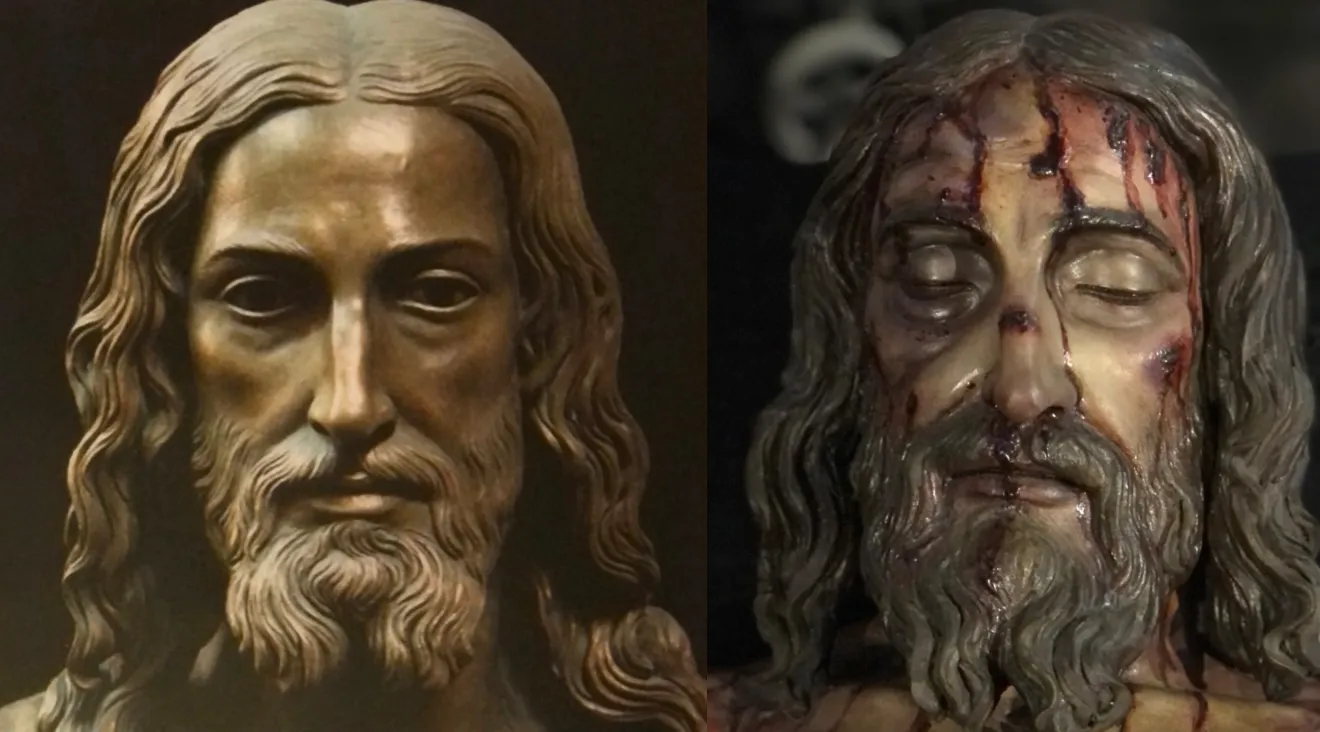
For centuries, some skeptics have claimed there was no historical evidence confirming the existence of Jesus. However, archaeological discoveries and historical research over the past decades have provided important documentation that strengthens the historical foundation of Christianity’s central figure.
First and foremost, the majority of modern historians agree that Jesus Christ was a real historical person who lived in Judea in the first century. This conclusion is based not only on the Bible but also on non-Christian sources.
One of the most frequently cited sources is the Jewish historian Flavius Josephus. In his work Antiquities of the Jews, he mentions Jesus as a wise teacher who was executed under Roman authority. Although some passages are believed to have been later modified, most scholars agree that the core reference to Jesus is authentic.

In addition, the Roman historian Tacitus, in his work Annals, recorded that “Christus” was executed during the reign of Emperor Tiberius, under the authority of Pontius Pilate. This is widely considered one of the most valuable non-biblical references to Jesus.
Beyond ancient texts, archaeological findings in Israel and the broader Middle East have helped illuminate the social, political, and religious context of the time in which Jesus is believed to have lived. While archaeology has not uncovered a physical artifact that directly proves “this belonged to Jesus,” discoveries related to Nazareth, Roman-era sites, and ancient inscriptions have confirmed the historical accuracy of many details found in the New Testament.
Scholars emphasize that in the study of ancient history, evidence typically comes from written records and scholarly consensus rather than dramatic “shock discoveries” portrayed in popular media. In reality, the claim that there is “no evidence at all” for Jesus’ existence does not reflect the mainstream view of contemporary historians.
While religious belief remains a personal matter, modern historical and archaeological research suggests that the debate over Jesus’ existence is far less uncertain than it once appeared. Rather than being viewed as a purely mythical figure, most scholars today consider Jesus a real historical individual whose influence has shaped human civilization for more than two millennia.