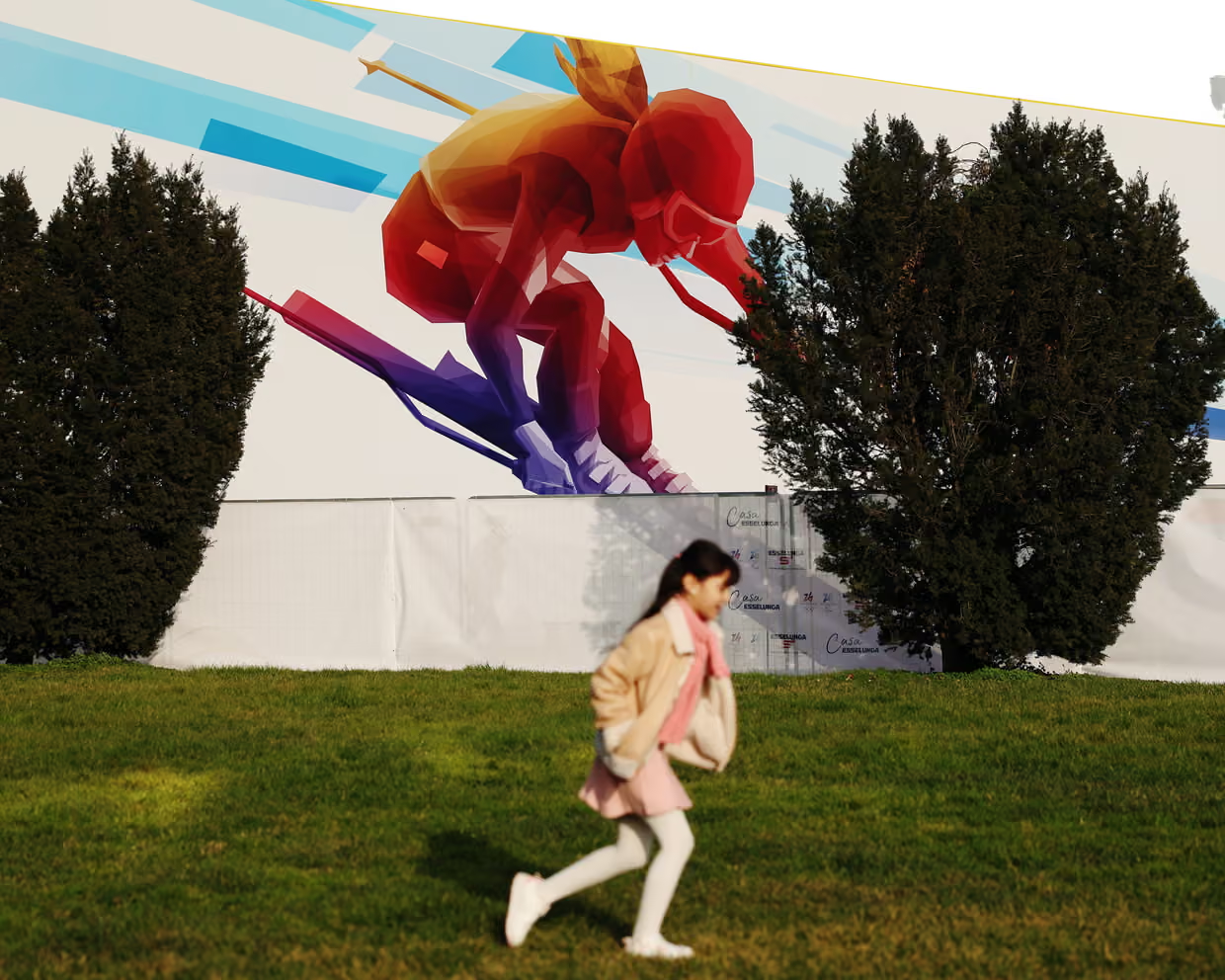
On a bad day, Milan can feel less like a city than an open-air shopping mall. Since winning the bid to host the Winter Olympics in 2019, the urban landscape has been flattened into construction dust and swamped in corporate messaging. What started as a logo on a tram has gradually evolved into a feverish, full-scale takeover of the public realm. From Piazza del Duomo to the Sforzesco Castle, the city’s most popular spaces have been appropriated by gaudy pavilions, turning Milan into a bizarre spectacle staffed by dancing mascots.
Last Friday, I sat down with friends to watch the opening ceremony, broadcast live from the San Siro, the much-loved brutalist football stadium that has been slated for demolition The reaction in the room was telling. On the one hand, after so much buildup, most people were excited the big moment had finally arrived. But as the proceedings went on and the parade of familiar faces gave way to the peculiar sight of bobble-headed puppets of Rossini, Puccini and Verdi dancing to Italo disco hit Vamos a la playa, the melancholy kicked in. Was this really what these years of disruption had been for? Was this strange, kitsch pop concert worth all the political repression, the public inconvenience, the relentless marketing, the unspecified millions of euros in cost?
Marco Balich, the creative mind behind the ceremony, spoke of his ambition to blend traditional Alpine imagery with Milanese modernity to showcase “Italian excellence”. In practice, it was hard to see the alchemy. What we saw was a generic stitching-together of national dolce vita stereotypes that did nothing to showcase the pluralistic voices defining the country’s shifting cultural frontiers. Even the Tunisian-Italian rapper Ghali, arguably the most vital artist on the bill, felt like a lonely representative of a multicultural Milan the organisers didn’t actually want to engage with. No wonder he appeared so unenthused in his performance. This was painting by numbers: a manufactured image that had little to do with the social realities of Italy.
Inevitably, people have been expressing their frustration in the streets. Since the Games began, thousands have come out in protest: against ICE, Trump and Israel, but also, with a more local focus, against the commodification of once-public city spaces. Activists have likened the economic philosophy behind Milano Cortina 2026 to the city’s 2015 Expo, a trade fair that politicians once promised would be an “urban salvation” but instead delivered monstrous public waste and rampant gentrification. Around Porta Romana, where the Olympic Village is located, property prices have soared to more than triple the national average. If Milan’s elite once prided itself on fostering social mobility, the municipality is now unashamedly pricing out the very workers who were supposed to benefit from that ethos.
It’s true that these problems are sadly common for host cities of major sporting events, but it’s especially galling given that Italy has proven it can do better. During the 2006 Winter Olympics in Turin, local organisers made a concerted effort to weave the competition into the city’s existing cultural fabric. While far from perfect, the Games were accompanied by a genuine sense of intellectual hospitality: late-night gallery openings, public debates and ambitious collaborations with the theatre world that prioritised mass participation over VIP access. Infrastructure was commissioned for the long-term, including the city’s first driverless metro, which has created a real legacy for residents rather than just a temporary stage for high-profile sponsors. Milan’s Winter Olympics, by contrast, feel less like an epochal moment in the city’s history and more like a passing trade fair.
Meanwhile, in the nearby mountains where most of the outdoor events are taking place, the extractive logic behind the spectacle is even clearer. Residents of these areas say they have been sidelined throughout a process that feels more like an occupation than a sporting competition. In the Dolemite town of Cortina, local life has been scarred by an intensive infrastructure expansion they never asked for: the town is being hollowed out to accommodate a luxury-only tourism model, with the Games as the inciting incident. In practice, this means historic family-run businesses are being forced to compete with sterile high-end hotels and restaurants that will sit empty for most of the year. In Bormio, another small Alpine village hosting high-profile skiing events, the community has been obliged to live alongside a vast security mission that includes snipers on mountain ridges, and a mandatory system of road checkpoints that treats residents like terrorist suspects.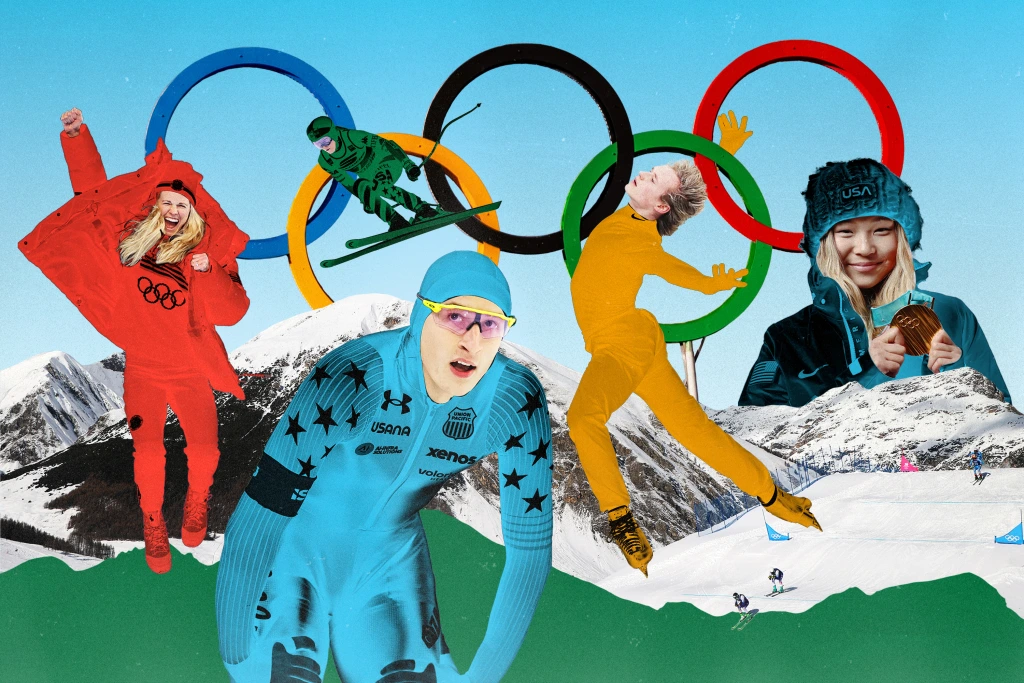
Worst of all is the treatment of the Ladin people, an ancient ethnic and linguistic minority of roughly 35,000 people who have called the Dolomites home for more than 2,000 years. While the organisers have paid lip service to their culture for promotional cartoons and folkloric ornaments in the Games’ pageantry, the community has been granted no real representation on the planning committees and no authority in coordinating logistics. In January, Ladin mayors from 17 towns published an open letter explicitly accusing the organisers of “cutting them out” of proceedings and rebranding their heritage without consent. Some community leaders have gone even further, using the Games’ visibility to reissue a longstanding demand for semi-autonomous status.
At the dawn of this venture, the Olympic organisers promised they would link Italy’s financial capital with the mountains around it like never before. Unfortunately, the Games only highlight how incompatible the two worlds have become. A few weeks ago, I went to see a Cultural Olympiad exhibit called White Out at Milan’s Triennale, exploring the disappearance of snow from the Dolomites in the age of climate crisis. Walking through the minimalist gallery surrounded by smartly dressed art folk, past the logos of the oil and gas giant ENI and other fossil fuel sponsors, I felt like a protagonist in one of the surrealist author Dino Buzzati’s more disconcerting fictions. The fact that, just a few hours to the north, construction workers had felled an ancient larch forest to build a €120m (£105m) bobsled track seemed far from anyone’s minds.
The Winter Olympics should be about humanity, culture and, most of all, the collective enjoyment of sport. With these Games, Italy has been left to settle for a glitzy performance that speaks to no real public at all. Milan, one of Europe’s most culturally exciting cities, has had scant opportunities to share its genuine talent with the world. The Dolomites, home to Italy’s most beautiful ecosystems, have been reduced to a luxury simulacrum of themselves, at the expense of longstanding rural communities. As the athletes continue to dazzle with their skill, it’s impossible not to admire the sportsmanship. What a pity that the organisers have so tarnished the occasion by exploiting the very hospitality on which a successful Games depends.