Ilia Malinin’s Historic Backflip Delivers Olympic Gold
Ilia Malinin’s Historic Backflip Delivers Olympic Gold and Redefines Figure Skating
Milano–Cortina, Italy — At the Milano–Cortina Winter Olympics, American figure skating witnessed a moment that will be remembered for generations. Ilia Malinin, just 21 years old, helped lead Team USA to Olympic gold with a breathtaking performance that stunned spectators and captivated the global sports world.
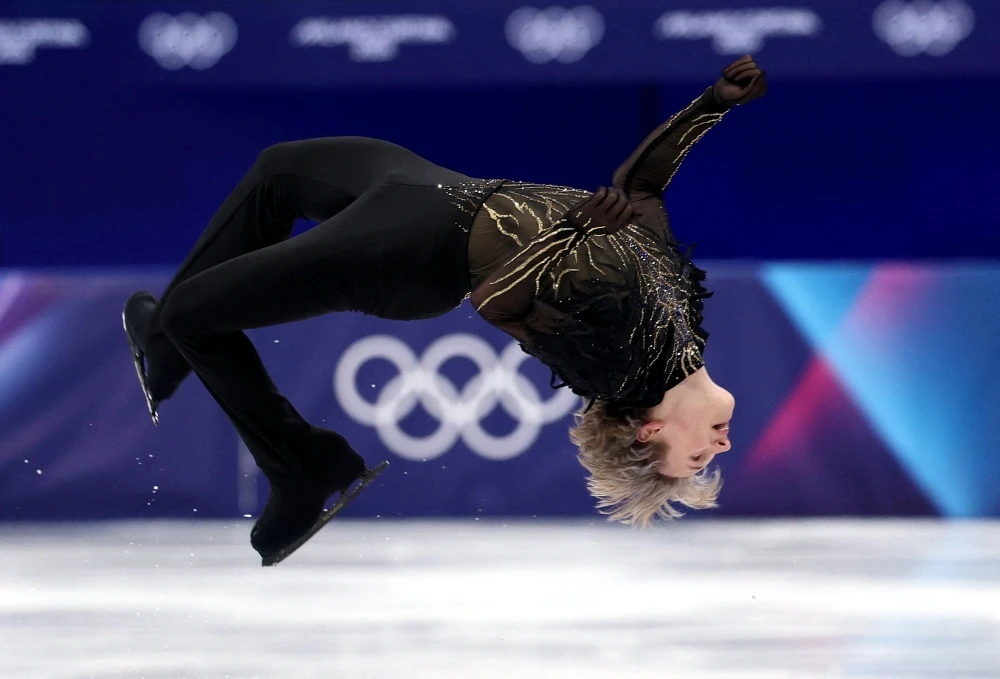
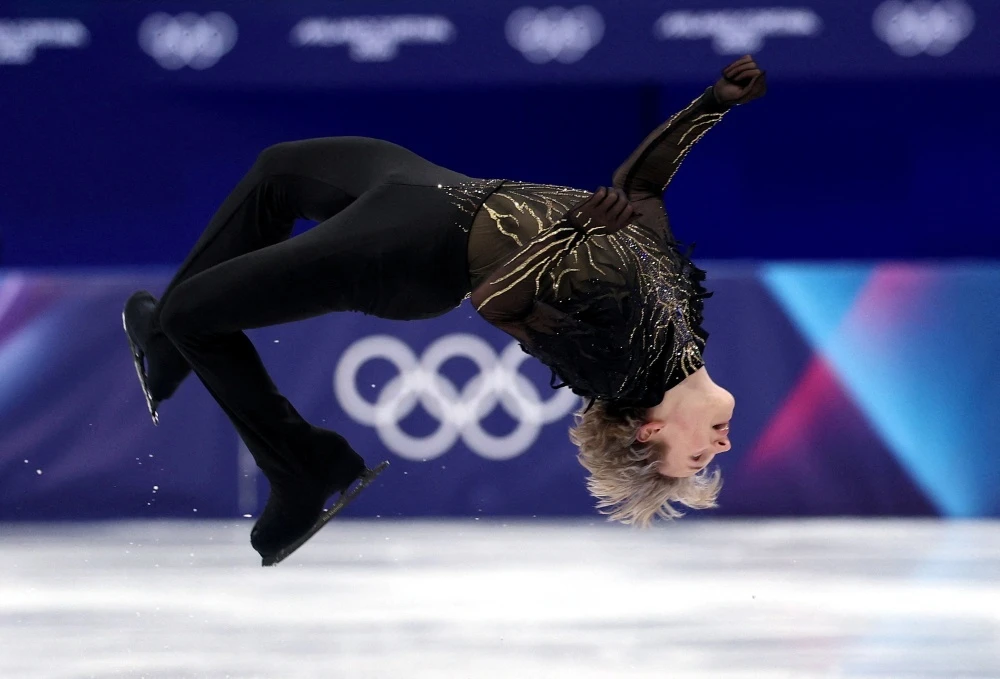
The defining moment came during Malinin’s routine when he executed a clean backflip, a move that had been banned in figure skating for nearly 50 years due to safety concerns. Though the jump did not count toward technical scoring, its impact was undeniable — transforming the atmosphere inside the arena and instantly becoming one of the most talked-about moments of the Games.
A Jump Forbidden for Nearly Half a Century
The backflip had long been considered too dangerous and was prohibited in competitive figure skating for decades. Only in 2024 did the International Skating Union allow the move to return under strict conditions, emphasizing its artistic rather than technical value.
By successfully landing the jump on a single blade, Malinin became the first skater to perform a legal Olympic backflip since Terry Kubicka at the 1976 Innsbruck Games. More importantly, he was the first in Olympic history to land it cleanly, reinforcing his reputation as a pioneer of modern figure skating.

Powering Team USA to Gold
Malinin’s performance played a crucial role in securing gold for the United States in the team event, where margins were razor-thin and execution under pressure was decisive. His blend of technical mastery, confidence, and showmanship provided Team USA with a competitive edge that proved impossible to ignore.
This was not a controversial victory or a debated decision — it was a gold medal earned through excellence, innovation, and composure on the sport’s biggest stage.
A Moment That Transcended the Sport
The reaction inside the arena reflected the magnitude of the moment. Fans erupted in disbelief and admiration, while athletes from other sports watched in awe. Tennis superstar Novak Djokovic, who was in attendance, was visibly stunned by the jump.
“I saw Novak after I landed,” Malinin said later. “I heard he grabbed his head. That was surreal. It’s a once-in-a-lifetime moment.”
Beyond the crowd’s reaction, the performance sparked widespread discussion across social media and sports media worldwide, with many calling it a turning point in the evolution of figure skating.
Symbolism and Legacy
The backflip carries deep symbolic meaning in Olympic history. At the 1998 Nagano Games, French skater Surya Bonaly famously performed the move in protest of judging standards, only to be penalized because it was still illegal at the time. Nearly three decades later, Malinin’s successful and legal execution represented a full-circle moment — signaling progress, openness, and the sport’s willingness to embrace innovation.
A New Era for Figure Skating
Ilia Malinin’s performance at Milano–Cortina was more than a gold-medal effort. It was a declaration that figure skating is evolving, pushing beyond old limits while maintaining respect for artistry and athleticism.
At just 21 years old, Malinin is no longer simply a rising star. He is now a defining figure of his generation — an athlete whose courage and creativity helped bring Olympic gold back to the United States and earned admiration from audiences around the world.